How Coastal Storm Surges Affect Your Outdoor Paved Surfaces
Living along the Caloundra coastline offers breathtaking ocean views, but properties situated near Golden Beach, Kings Beach, and the Pumicestone Passage face ongoing exposure to severe weather events. Coastal storm surges—elevated sea levels driven by intense low-pressure systems and offshore winds—pose a significant threat to outdoor paved areas. Driveways, pool surrounds, council crossovers, and entertaining patios are frequently compromised by the unique hydrostatic and chemical pressures that surging seawater exerts.
The Hidden Mechanics of Storm Surge Damage
Unlike typical Queensland rainstorms, coastal storm surges involve violent incursions of saltwater, silt, and sand. When seawater submerges a paved area, it attacks the installation from both above and below through three distinct mechanisms:
Sub-Base Undermining: The primary failure point of any paved area is its foundation. Storm surge waters infiltrate the bedding sand and compacted road base, stripping away support materials as the water retreats. This rapid scouring creates subterranean voids, leading to sinking pavers, uneven surfaces, and complete structural failure under vehicular loads.
Salt Crystallisation and Spalling: Seawater absorbs deep into porous paving materials such as concrete, sandstone, and clay pavers. As the moisture evaporates under the subtropical sun, salt crystals expand within the microscopic pores. This process, known as subflorescence, https://caloundrapressurewashing.com.au/sanitation-cleaning/ exerts internal pressure that fractures the material, causing spalling, surface pitting, and crumbling.
Hydrostatic Lifting: Rapidly rising groundwater tables during a surge generate upward pressure beneath non-permeable pavements. This force can displace interlocking pavers, break mortar beds, and heave large concrete slabs out of alignment.

Key Signs of Surge-Induced Paving Failure
Property owners across Caloundra should inspect their outdoor spaces immediately following severe coastal weather. Watch for these structural warnings:
- Jointing Sand Depletion: High-velocity water movement washes out polymeric and standard jointing sand, eliminating inter-paver friction.
- Depressions and Rutting: Sunken tire tracks along driveways indicate compromised base compaction beneath the surface.
- Persistent Efflorescence: Thick white salt crusts migrating through the surface indicate ongoing chemical distress within the paver matrix.
- Dislodged Edge Restraints: Concrete haunching or metal edging cracked away from perimeter paving, allowing lateral spreading.
Immediate Action Steps Following Seawater Inundation
Timely intervention dramatically reduces the long-term degradation of paved surfaces. Homeowners must remediate flooded outdoor areas promptly using the following recovery sequence:

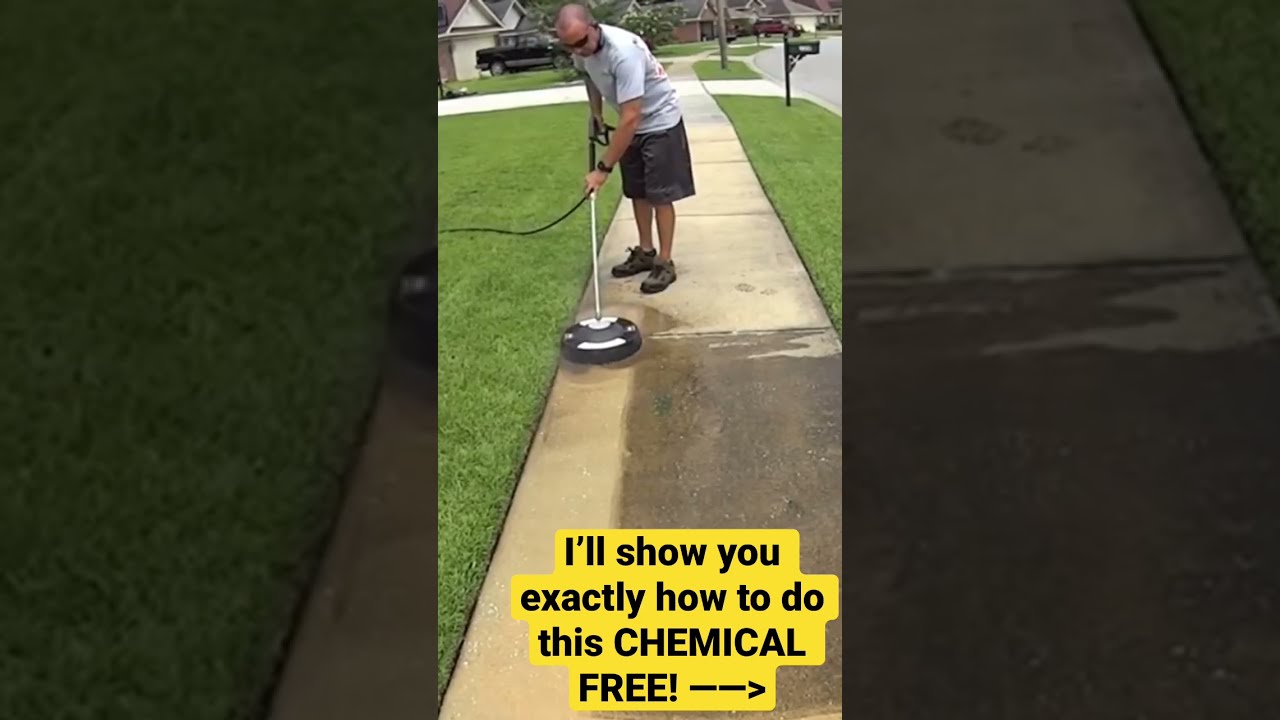
- Flush Thoroughly with Fresh Water: Wash down the entire paved area with mains water before the salt dries. This dilutes the sodium chloride concentration and prevents deep crystalline growth.
- Clear Marine Silt: Remove deposited ocean sediment with a broom or gentle wash. Silt traps moisture and accelerates organic staining on unsealed stone.
- Re-establish Joint Stabilisation: Once completely dry, sweep commercial-grade polymeric sand into joints to restore lateral interlock and prevent weed penetration.
- Apply Deep-Penetrating Sealers: Treat surfaces with breathable, silane-siloxane penetrating sealers to repel future moisture while allowing trapped vapor to escape safely.
Engineering Resilient Outdoor Surfaces for 2026 and Beyond
As coastal weather patterns continue to evolve, preventative design is the most cost-effective defence for Caloundra homes. Modern landscape construction prioritises permeable paving systems, geofabric separation layers beneath road bases, and mechanical edge restraints capable of withstanding turbulent water action. Upgrading existing outdoor surfaces with marine-grade sub-bases and hydrophobic sealants ensures hardscapes remain durable and attractive heading into 2027 and the storm seasons ahead.
Caloundra Pressure Washing
(07) 4120 7010